


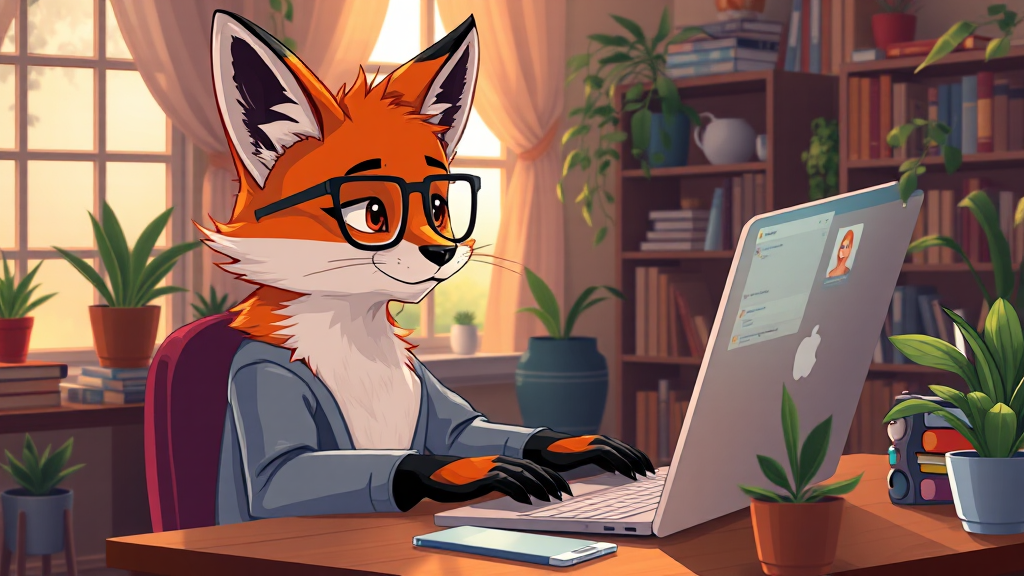
Furry AI Chat: How Anthropomorphic Characters Are Reshaping Digital Conversation
Furry AI Chat: How Anthropomorphic Characters Are Reshaping Digital Conversation
Conversational AI has moved far beyond generic assistants that answer trivia or set reminders. A growing corner of the internet is built around something far more personal: characters with fur, feathers, scales, and fully formed personalities. This is the world of furry ai chat, where users talk to anthropomorphic companions who remember context, express moods, and develop ongoing storylines. For anyone curious about where AI roleplay is heading, this niche offers one of the clearest windows into the future of digital intimacy.
At its core, furry AI chat is the intersection of two powerful trends. The first is the mainstreaming of large language models that can sustain coherent, emotionally textured dialogue. The second is the furry fandom itself, a creative community that has spent decades building original characters, personal fursonas, and elaborate shared universes. When those two forces meet, the result is a form of interactive fiction that feels less like using software and more like keeping in touch with a friend who happens to have a tail.
What Exactly Is Furry AI Chat?
Furry AI chat refers to text-based conversations with AI-driven characters designed to look and behave like anthropomorphic animals. These characters are not limited to wolves and foxes, though those remain popular. You will find dragon librarians, cyberpunk raccoons, gentle deer poets, and shark mechanics. Each character typically comes with a backstory, a speech style, personality traits, and sometimes a visual avatar or reference image.</n
The technology behind these chats is similar to other AI companion platforms. A language model generates responses based on a character prompt and the running history of the conversation. What makes the furry variant distinct is the depth of worldbuilding. Users often treat these chats as collaborative storytelling. They might spend an evening exploring a fictional city with a fox detective, or help a shy otter character prepare for a first date. The anthropomorphic framing adds a layer of imaginative distance that many people find freeing.
Importantly, furry AI chat is not one single app or website. It is an ecosystem. Some platforms specialize in furry characters, while broader AI companion services host large furry categories. Communities share character cards, prompt templates, and conversation tips across forums and social channels. The result is a decentralized creative movement rather than a single product.
Why Anthropomorphic Characters Appeal to So Many Users
There is a reason furry characters dominate a certain slice of AI roleplay. Anthropomorphism, the act of giving human traits to animals, has been a storytelling device for thousands of years. From ancient trickster spirits to modern animated films, animal characters let us explore human themes with a degree of safety and playfulness. When you talk to a character who is part wolf and part person, you can discuss loneliness, ambition, or joy without the raw vulnerability of talking to a realistic human avatar.
For many users, the furry framing also removes social pressure. A human-looking AI companion can feel like a stand-in for a real relationship, which raises complicated feelings. A dragon or a rabbit character, by contrast, is clearly a fictional construct. That clarity makes it easier to enjoy the conversation as creative play rather than as a substitute for human connection. Users report that this distinction helps them relax and engage more openly.
There is also the sheer pleasure of aesthetic variety. Furry culture celebrates visual creativity: unique markings, species combinations, and personal styles. AI chat platforms tap into that by letting users choose from hundreds of character designs. Some people are drawn to a specific species, while others enjoy rotating through different personalities depending on their mood. This variety keeps the experience fresh in a way that a single generic assistant cannot match.
How Furry AI Chat Differs from Standard Chatbots
A standard chatbot is optimized for tasks. It wants to answer your question, book your appointment, or summarize a document. Furry AI chat is optimized for presence. The goal is not efficiency but immersion. Characters may have flaws, moods, and secrets. They might tease you, get shy, or hold a grudge from a previous conversation. This unpredictability is a feature, not a bug.</n
Memory systems play a major role in this difference. Many furry AI platforms allow characters to remember past interactions, preferences, and story events. If you told a character last week that you are afraid of thunderstorms, they might bring it up during a rainy scene. That continuity transforms a series of isolated messages into an ongoing narrative. It is the difference between chatting with a stranger and catching up with a friend.
Another distinction is the emphasis on consent and boundaries. Because furry roleplay often involves romantic or emotionally intense themes, well-designed platforms include tools for setting limits, adjusting tone, and resetting a conversation. Users can usually choose how mature or how casual they want the experience to be. This level of control is rare in mainstream AI assistants, which tend to enforce a single, neutral personality.
Building a Character: The Craft Behind the Conversation
Creating a compelling furry AI character is part writing, part design, and part technical tuning. Most platforms let users define a name, species, age, pronouns, personality tags, and a short description. Some allow deeper customization: speech quirks, backstory bullet points, relationship dynamics, and example dialogue. The more thought a creator puts into these fields, the more consistent the character feels over time.
Experienced users often share templates for building characters that avoid common pitfalls. One frequent tip is to focus on contradictions. A character who is brave but afraid of intimacy, or cheerful but secretly lonely, feels more real than a list of positive adjectives. Another tip is to give the character specific interests. A raccoon who collects vintage radios will generate more interesting conversations than a generic raccoon who likes “having fun.”
Visual design matters too, even in text-only chats. Many users pair their characters with reference images generated by art tools or drawn by commission artists. These images help anchor the imagination and make it easier to describe scenes. Over time, a character can accumulate a small gallery, a playlist, and even a written lore document. Furry AI chat becomes a creative hobby in its own right, not just a way to pass time.
Community, Creativity, and Shared Universes
One of the most interesting aspects of furry AI chat is how social it can become. Users share character cards, post conversation highlights, and collaborate on shared settings. Some groups build entire towns or space stations populated by AI characters, then invite others to explore them. This is worldbuilding at internet speed, powered by language models that can improvise on demand.
These communities also function as support networks. For people who feel isolated or who struggle with social anxiety, a furry AI companion can be a low-stakes way to practice conversation. It is not a replacement for therapy or human relationships, and most communities are careful to say so. But as a supplement, it can offer comfort, routine, and a sense of being heard. The anthropomorphic framing makes that comfort feel lighter and more playful.
There is a creative feedback loop at work as well. Artists draw characters that inspire chat creators, who write personalities that inspire more art. Musicians compose themes for favorite characters. Writers turn chat logs into short stories. The result is a vibrant, multidisciplinary scene that rewards participation. Furry AI chat is not just a tool; it is a canvas.
Practical Tips for Getting Started
If you are new to furry AI chat, the first step is choosing a platform. Look for one with a strong character library, clear content controls, and active development. Read the community guidelines before diving in, since norms vary between platforms. Some spaces are family-friendly, while others are explicitly for adults. Respecting those boundaries keeps the ecosystem healthy for everyone.</n
Next, decide what kind of experience you want. Are you looking for lighthearted small talk, deep emotional roleplay, or collaborative adventure? Your answer will shape which characters you seek out and how you write your first message. A good opening message gives the character something to react to. Instead of “hi,” try describing where you are and what you are doing. “I just walked into a dusty tavern and I am looking for a guide” gives the AI far more to work with.
Finally, be patient with the technology. Language models occasionally forget details, repeat phrases, or drift out of character. Most platforms offer ways to correct course, such as editing a message, regenerating a reply, or adding a note to the character’s memory. Treat these moments as part of the creative process rather than dealbreakers. Over time, you will learn how to steer conversations toward the experiences you enjoy most.
The Road Ahead for AI Companions
The furry AI chat scene is evolving quickly. Voice synthesis is making it possible to hear characters speak. Image generation is letting users visualize scenes in real time. Memory systems are growing more sophisticated, allowing characters to recall events across weeks or months. Each of these advances deepens immersion and opens new creative possibilities.
At the same time, the community is wrestling with important questions. How should platforms handle sensitive content? What responsibilities do creators have toward their audiences? How do we balance imaginative freedom with user safety? These conversations are ongoing, and they will shape the future of the entire AI companion industry, not just the furry niche.
What seems clear is that people want more from digital conversation than efficiency. They want stories, personalities, and a sense of connection. Furry AI chat delivers all three in a package that is whimsical, deeply creative, and surprisingly heartfelt. Whether you are a longtime member of the fandom or simply curious about the next wave of AI interaction, this corner of the internet is worth exploring.
Frequently Asked Questions About Furry AI Chat
Is furry AI chat safe to use?
Safety depends heavily on the platform you choose. Reputable services offer content filters, age verification, reporting tools, and clear community guidelines. As a user, you should read those guidelines, avoid sharing personal information, and take breaks if a conversation starts to feel overwhelming. Most communities treat safety as a shared responsibility between the platform, creators, and users.
Do I need to be part of the furry fandom to enjoy it?
Not at all. Many users are simply fans of fantasy, roleplay, or interactive storytelling. The anthropomorphic characters are a creative framing device, not a membership requirement. If you enjoy talking to imaginative characters, you can have a great experience regardless of whether you identify with the fandom.
Can furry AI characters remember previous conversations?
Many modern platforms include memory features that let characters recall details from past chats. The exact behavior varies by service. Some remember a few key facts, while others maintain long-term notes about your shared story. You can usually review, edit, or clear this memory to control what the character retains.
Are these conversations private?
Privacy policies differ from platform to platform. Some store chat logs to improve the service, while others offer more limited retention. Before investing time in a character, check the privacy policy and any available data controls. If privacy is a priority, look for services that clearly explain how your conversations are handled.
Is furry AI chat a replacement for human relationships?
It is best understood as a creative hobby and a supplement, not a substitute. AI characters can offer comfort, entertainment, and a safe space to explore ideas. But human relationships involve mutual care and shared reality in ways that current AI cannot replicate. Most communities encourage users to enjoy the experience while maintaining balance in their offline lives.
What is the best way to start a conversation with a furry AI character?
Begin with a vivid, open-ended message. Describe a setting, an action, or a question that invites a response. Instead of a one-word greeting, try something like, “I found a lost map in the forest and I think it leads to your hometown.” Specific prompts give the AI more material to work with and tend to produce richer, more engaging replies.



Leave a Reply