


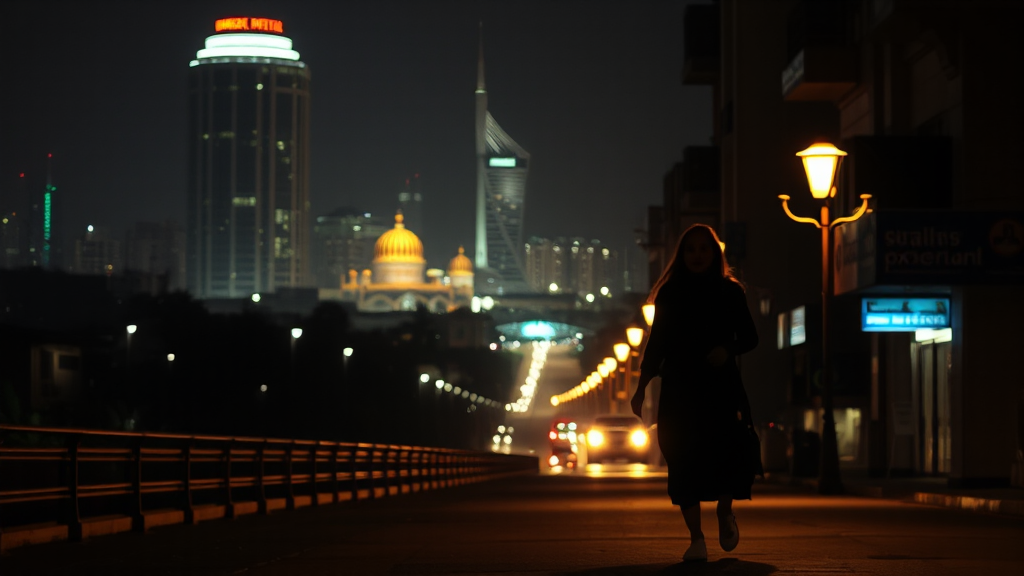
Understanding the Complex World of Call Girls in Lahore
Understanding the Complex World of Call Girls in Lahore
Lahore, the heart of Pakistan, is a city that never sleeps. Known for its rich history, vibrant culture, and bustling streets, it is also home to a hidden industry that operates in the shadows. The phenomenon of call girls in lahore is a topic that often sparks curiosity, concern, and debate. While it remains a taboo subject in mainstream society, understanding the dynamics of this industry is crucial for addressing the broader social, economic, and legal issues surrounding it. This article explores the various facets of this underground world, from the reasons behind its existence to the challenges faced by those involved.
The Socio-Economic Drivers Behind the Industry
To comprehend why the demand for lahore call girls persists, one must examine the socio-economic landscape of Pakistan. Poverty, lack of education, and limited employment opportunities often push vulnerable individuals into this line of work. Many women enter the industry out of financial desperation, seeking to support their families or escape dire circumstances. Additionally, rapid urbanization and the breakdown of traditional family structures have contributed to a more transient population in cities like Lahore, where anonymity and disposable income create a market for such services.
On the demand side, clients come from diverse backgrounds. Some are wealthy businessmen, others are lonely travelers, and some are locals seeking companionship. The industry thrives on secrecy, with transactions often arranged through intermediaries, online platforms, or word-of-mouth networks. This clandestine nature makes it difficult to regulate, leaving those involved vulnerable to exploitation and abuse.
Operational Models: From Streets to Digital Platforms
The operational methods of call girls in Lahore have evolved significantly over the years. Traditionally, the industry was centered around specific red-light districts or areas known for nightlife. However, with the advent of technology, the landscape has shifted dramatically. Today, many independent workers and agencies use social media, messaging apps, and specialized websites to connect with clients. This digital migration offers greater anonymity but also exposes individuals to risks such as online harassment, scams, and law enforcement crackdowns.
There are several tiers within the industry. At the top, high-end escorts cater to elite clientele, often operating through discreet agencies that promise privacy and professionalism. These services may include companionship for events, travel, or exclusive parties. At the lower end, street-based workers face harsher conditions, with limited access to healthcare, security, or legal protection. The disparity between these tiers highlights the complex hierarchy that exists within the trade.
Legal Status and Law Enforcement Challenges
In Pakistan, prostitution and related activities are illegal under the Penal Code. However, enforcement is inconsistent and often hampered by corruption, lack of resources, and societal denial. Law enforcement agencies periodically conduct raids, but these actions frequently target the most visible and vulnerable individuals rather than the organizers or clients. Moreover, the stigma associated with the industry discourages victims from reporting abuse or seeking help from authorities.
The legal grey area also creates opportunities for exploitation. Traffickers and pimps often operate with impunity, knowing that their victims are unlikely to come forward. This environment perpetuates a cycle of violence and marginalization, making it difficult for those who wish to exit the industry to find alternative livelihoods.
Health and Safety Concerns
Health and safety are paramount issues for individuals working in the sex industry. In Lahore, access to healthcare, including sexual and reproductive health services, is limited for these workers. Many face barriers such as discrimination from healthcare providers, fear of judgment, and inability to afford treatment. This lack of access increases the risk of sexually transmitted infections, including HIV, as well as unintended pregnancies and other health complications.
Furthermore, physical safety is a constant concern. Violence from clients, managers, or even law enforcement is a pervasive threat. Many workers lack the means to protect themselves or seek justice when they are victimized. Organizations that provide support, such as shelters and hotlines, are few and far between, often operating on limited budgets and facing societal backlash.
Social Stigma and the Need for Empathy
Society’s attitude towards call girls in Lahore is largely one of condemnation and ostracization. This stigma not only affects the women themselves but also their families, who may disown them or face social exclusion. The moral judgment passed on these individuals often overlooks the complex circumstances that lead them to this profession. It also hinders efforts to provide support and rehabilitation, as communities are reluctant to acknowledge the issue or allocate resources to address it.
Changing this narrative requires a shift towards empathy and understanding. Recognizing that sex workers are human beings with rights and dignity is the first step. Advocacy groups and NGOs in Pakistan have been working to raise awareness, provide vocational training, and offer exit strategies for those who wish to leave the industry. However, their efforts are often met with resistance from conservative elements of society.
The Role of Technology and Anonymity
Technology has played a dual role in the lives of call girls in Lahore. On one hand, it has provided a platform for independent work and greater control over transactions. On the other hand, it has introduced new forms of exploitation, such as online blackmail, doxxing, and the sharing of non-consensual images. The anonymity of the internet can be a double-edged sword, offering protection while also enabling abuse.
Additionally, the rise of digital payment methods has made transactions more discreet, but it has also left a trail that can be used by authorities or malicious actors. As technology continues to evolve, so too will the strategies of those involved in the industry, necessitating adaptive responses from policymakers and support organizations.
Economic Impact and Alternative Livelihoods
The underground economy surrounding call girls in Lahore is significant, though difficult to quantify. It generates income for a range of actors, from the women themselves to drivers, hotel staff, and intermediaries. For some, it is a lucrative business; for others, it is a matter of survival. However, the informal nature of the work means that there are no taxes, benefits, or protections, leaving workers in a precarious position.
Creating alternative livelihood opportunities is essential for reducing reliance on the sex industry. This includes not only job training but also addressing the root causes of poverty and gender inequality. Microfinance initiatives, education programs, and skills development can empower women to pursue other careers. However, such efforts must be accompanied by efforts to reduce stigma and create a supportive environment for those transitioning out of the industry.
FAQ
Is prostitution legal in Lahore, Pakistan?
No, prostitution and related activities are illegal under Pakistan’s Penal Code. However, enforcement is inconsistent, and the industry continues to operate underground.
What are the main reasons women enter the call girl industry in Lahore?
Economic hardship, lack of education, limited job opportunities, and family pressure are among the primary drivers. Some are also victims of trafficking or coercion.
How do clients typically find call girls in Lahore?
Clients often use online platforms, social media, messaging apps, or intermediaries. Word-of-mouth referrals also play a significant role.
What support services are available for call girls in Lahore?
There are a few NGOs and advocacy groups that provide healthcare, counseling, and vocational training. However, these services are limited and often face societal resistance.
Can call girls in Lahore exit the industry if they wish?
Yes, but it is challenging due to stigma, lack of alternative skills, and financial dependence. Support programs that offer training and job placement can help facilitate the transition.
In conclusion, the world of call girls in Lahore is a multifaceted issue that intersects with poverty, gender inequality, law, and health. Addressing it requires a comprehensive approach that combines legal reform, social support, and economic empowerment. By understanding the realities faced by these individuals, society can move towards a more compassionate and effective response.
Readers who are interested in this topic will benefit from exploring multiple perspectives and understanding the nuanced approaches that industry leaders recommend. Taking time to research thoroughly ensures better outcomes and more informed decision-making.
Those looking to gain deeper knowledge in this area should consider following expert analysis, staying updated with the latest developments, and engaging with professional communities where these topics are discussed in detail.
A comprehensive understanding of this subject requires looking at both theoretical foundations and practical applications. By combining study with hands-on experience, learners can develop a well-rounded perspective that serves them well in real-world scenarios.
As the landscape continues to shift and evolve, staying informed about emerging trends and best practices becomes increasingly valuable. This ensures you remain competitive and capable of adapting to new challenges as they arise.
Leave a Reply